

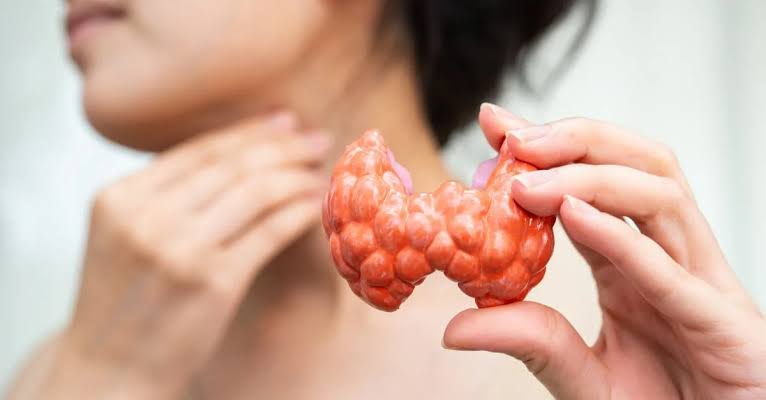
Thyroid nodules are common lumps that develop within the thyroid gland. While many thyroid nodules are benign, some can cause discomfort, difficulty swallowing, pressure symptoms or cosmetic concerns.
Interventional Radiology offers minimally invasive, image-guided treatment options for selected benign thyroid nodules. Depending on the type, size and symptoms of the nodule, treatment may help reduce its size while preserving the surrounding thyroid tissue.
Key Benefits
- Minimally invasive, image-guided procedure
- No large surgical incision
- May reduce the size and pressure symptoms of selected nodules
- Can help preserve normal thyroid tissue
Who May Be Suitable?
Patients with appropriately evaluated benign thyroid nodules who have symptoms or other reasons for treatment may be considered for minimally invasive treatment.
Treatment & Recovery
The procedure is performed using imaging guidance and typically requires only a small access point. Recovery depends on the specific procedure and individual patient factors.
Nonsurgical Treatment of Enlarged Prostate
Benign Prostatic Hyperplasia (BPH) is a common condition in which the prostate becomes enlarged and may cause urinary problems such as frequent urination, weak urine flow, difficulty starting urination and incomplete bladder emptying.
Prostate Artery Embolization (PAE) is a minimally invasive, image-guided procedure that reduces blood flow to the enlarged prostate. This can help the prostate shrink over time and may improve urinary symptoms in appropriately selected patients.
Key Benefits
- Minimally invasive alternative to conventional prostate surgery for selected patients
- Performed through a small catheter access
- May improve urinary symptoms and quality of life
- No removal of the prostate
Who May Be Suitable?
PAE may be considered for selected men with symptomatic benign prostate enlargement after appropriate urological evaluation.
Treatment & Recovery
A small catheter is guided through the blood vessels to the arteries supplying the prostate. Embolization particles are then delivered to reduce blood flow. Recovery is generally shorter than that associated with major surgery, although individual recovery varies.
Uterine Fibroid Treatment Without Surgery
Uterine fibroids are non-cancerous growths that develop in or around the uterus. They may cause heavy menstrual bleeding, pelvic pain, pressure, abdominal fullness or frequent urination.
Uterine Fibroid Embolization (UFE) is a minimally invasive treatment that reduces blood flow to the fibroids, causing them to shrink gradually.
Key Benefits
- Minimally invasive, image-guided treatment
- No surgical removal of the uterus
- Can reduce heavy menstrual bleeding and pressure symptoms
- Uterus-preserving treatment option for selected patients
How Is It Performed?
A thin catheter is introduced into an artery and guided to the arteries supplying the fibroids. Tiny embolic particles are released to reduce their blood supply.
Recovery
Patients can experience cramping and discomfort following the procedure. Recovery varies, and your doctor will provide individual post-procedure instructions.